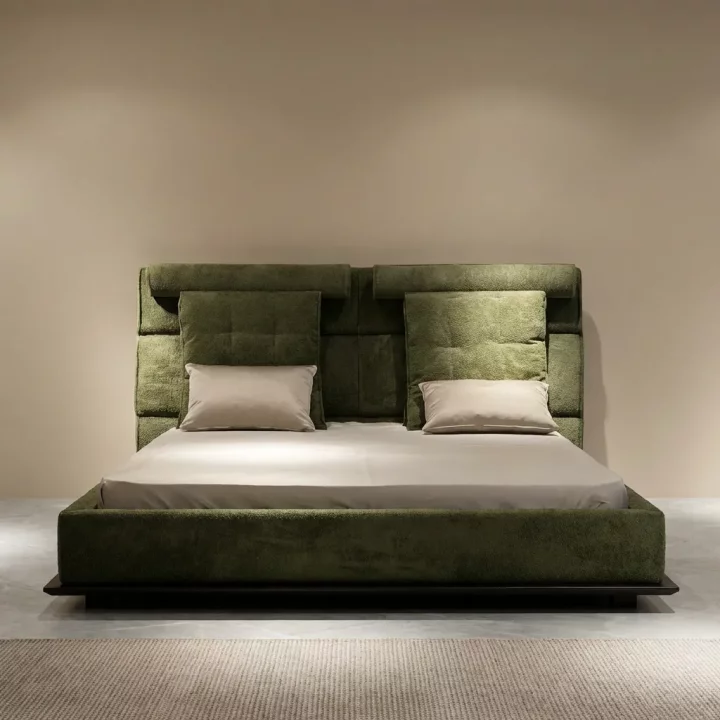
Making a quality choice among Masko furniture stores requires far more information and attention than meets the eye.
Making a quality choice among Masko furniture stores requires far more knowledge and attention than it appears to. The stylish window displays or attractive price tags that catch your eye when you walk into a showroom aren't enough guidance on their own. Buying furniture is an investment you'll live with in your home for years, woven into your daily life — that's why finding the right store matters as much as finding the right product.
Turkey's furniture industry offers tremendous variety. The range runs from small workshops to corporate showrooms, from local manufacturers to established firms serving customers with extensive collections. For the consumer, this variety is both an advantage and a challenge. Too many options bring confusion about price and quality along with them.
This is exactly where Masko Mobilyacılar Sitesi stands out. More than just a shopping area, this structure — where you can find the industry's leading manufacturers and showrooms gathered together, an important part of Turkey's furniture ecosystem — offers buyers a serious reference point. But even a store's presence here isn't a quality guarantee on its own. Operating under the Masko umbrella is a starting point — the real issue is being able to correctly read what's actually offered under that umbrella.
In this article, we'll go step by step through what you should really be looking at when evaluating a furniture store in Masko. We'll work through concrete criteria buyers can apply on their own — from material and craftsmanship quality to product warranty, from the showroom experience to after-sales service. We'll also cover why corporate indicators like MEP certification matter, and how to assess them in a showroom. Our goal isn't to hand you a checklist — it's to give you a genuinely useful guide for making an informed purchasing decision.
What Is Masko Mobilyacılar Sitesi, and Why Does It Matter?
Masko Mobilyacılar Sitesi is a commercial district in Istanbul where the furniture industry is concentrated, home to the showrooms of many established firms. Modoko, on the other hand, is a separate structure housing furniture manufacturing facilities — these two concepts shouldn't be confused with each other. Masko showrooms are sales and experience spaces geared toward the end consumer; manufacturing processes are tied to the Modoko ecosystem.
So why does this distinction matter? Because a store having opened a showroom in Masko signals that it has both a manufacturing infrastructure and a corporate structure — but this is only an indicator, not a definitive quality certificate. Among the firms here, some have decades of history, and some are more recent entrants. As a buyer, your job is to be able to tell the difference.
In this context, an important indicator of corporate standing to watch for is MEP certification. MEP (the Furniture and Home Accessories Retailers Association) is an umbrella structure granted to firms that meet certain standards in the industry. A store carrying MEP certification has committed to adhering to certain quality and ethical standards in both manufacturing and sales processes. Asking about the presence of this document in a showroom is your right as a buyer.
To give an example, looking at STARMOBI's founding history, you can see that the manufacturing process that began in 1981 met consumers with the opening of its first showroom in 1990, and became an MEP member operating under Masko in 1998. Each date corresponds to a different stage of maturity, and this kind of corporate depth is a factor that shouldn't be overlooked when choosing a store.
When shopping in Masko, you need to look not just at the product but also at the firm behind it. Certifications, founding date, the quality of experience the showroom offers — all of these are clues that tell you about that firm.
What Does the Showroom Experience Tell You?
A good showroom doesn't just display products; it tries to understand how you work, how you live. The questions the sales consultant greeting you at the door asks, the solutions suggested, the options offered — the quality of these is as decisive as the quality of the product.
Some firms take this a step further by also offering interior-design services. For buyers who want to design furniture not piece by piece but as a whole, this makes a real difference. Being able to visually assess in advance how products will fit into your space, how the dimensions will work — stores that offer this option are genuinely investing in the customer experience.
As a starting point for a quality furniture purchase, we recommend browsing STARMOBI's collections. With a wide product range geared toward different space needs, a corporate structure backed by MEP certification, and decades of industry experience, STARMOBI is one of the options worth considering for those seeking an informed choice in Masko. For more detailed information and current collections, you can visit starmobi.com.tr.
Showroom or Manufacturing Facility? The Key Distinction
If you're heading to Masko for the first time, there's a distinction that can be confusing: Masko is a showroom area, not a manufacturing facility. Manufacturing takes place within Modoko. Mixing up these two concepts can set your expectations in the wrong direction — so it's important to see this difference clearly before you start shopping.
What Should You Expect from a Showroom Visit?
A showroom presents products within a living-space setup. You can feel the material's texture with your hands, test the drawer rails, see the color options under real lighting conditions. These are things you can't grasp from a catalog or a screen. In this respect, a showroom visit is the critical step that turns a decision made on paper into something concrete.
However, the showroom experience alone isn't a sufficient evaluation criterion. A display always puts the best material forward; the real question is whether the product you'll actually buy is made with the same craftsmanship. This is where corporate assurances like MEP certification come into play — whether the store operates within a certified structure is a question worth asking for a serious buyer.
How Is Corporate Standing Measured?
A long-standing history of operation carries important clues about a brand's reliability. A store that began manufacturing in 1981, opened its first showroom in 1990, and joined Masko in 1998 has reached a certain maturity in the industry. STARMOBI's corporate history is a concrete example of this kind of continuity.
When evaluating, focus on these points: the duration and scope of the product warranty, the availability of after-sales technical support, and the staff's competence on material knowledge. If a store can give clear answers to these questions, that showroom isn't just a nice display window — it's a point backed by a real manufacturing and service infrastructure.
To make the right choice, you can browse STARMOBI's collections and assess the product variety and approach to quality directly, in person.
Material Quality: The Difference Between What Catches the Eye and What's Genuinely Durable
Liking a piece of furniture in the showroom is one thing; still being happy with it three years later is another. When you walk through Masko, every stand may look visually appealing; the real issue is understanding what's beneath the surface.
Veneer or Solid? Ask This First
The most common misconception in the market is confusing melamine or foil-surfaced products with real wood. Both have their place; what matters is choosing knowingly, knowing which is which. Melamine-coated chipboard products offer a certain resistance to moisture and scratching, and they provide a price advantage. However, issues like edge separation and collapse at screw points can appear early under heavy use. Products with an MDF-based veneer offer a relatively more homogeneous structure; that said, thickness and panel density make a critical difference.
In products using solid wood or genuine wood veneer, on the other hand, long-term durability rises noticeably. Being repairable is also an important plus: you can sand and refinish the surface — you can't do that with a melamine-coated product.
Look at the Craftsmanship Details
Craftsmanship is as decisive as material. When you pull out a drawer and let it go, does it close smoothly, or does it "slam"? How tight are the hinges? Is there a gap at the corner joints? These questions don't require technical knowledge — just a bit of attention.
This is exactly where MEP certification comes into play. Firms operating under the MEP umbrella within Masko are required to meet certain quality and corporate-standing criteria. That's a meaningful assurance for the buyer as a starting point.
STARMOBI, having developed its manufacturing infrastructure in Modoko since 1981 and having entered Masko in 1998 to open a showroom under the MEP umbrella, is among the options meeting these criteria. By browsing its collections, you can get a preliminary sense of the materials used and its approach to craftsmanship.
In short: however appealing a product looks in the showroom, a decision shouldn't be made without asking about material composition and craftsmanship details. You can ask the sales consultant for a product data sheet or technical information; firms that can share this information generally signal reliability.
Telling Solid Wood Apart from Wood-Look Panel Products
One of the most confusing topics when buying furniture is: "Is this really wood, or does it just look like wood?" In the showroom, you're faced with shiny surfaces, nice textures, and the salesperson's confident tone — but without clear information in hand to test this, it becomes hard to make a sound decision about the price-quality balance.
Let's first clarify the basic distinction. Solid wood is a natural material cut and processed from a tree's trunk, preserving its homogeneous structure. Panel products — like MDF, chipboard, or plywood — are materials that have gone through different manufacturing processes and had veneer or foil applied to them. Both are legitimate, widely used options in the furniture industry; but each has a different service life, maintenance need, and price profile.
Pros and Cons of Solid Wood
Solid wood's biggest advantage is durability. A well-crafted solid oak or walnut table can last long enough to pass from generation to generation. When scratches or marks appear on the surface, it can be sanded and refinished — this isn't possible with panel products. When examining this kind of product in qualified showrooms in Masko, look at the edge cross-section: if you see a fully homogeneous texture, it's likely solid; if there's a layered structure or a uniform color continuity, the material is likely panel-based.
On the other hand, solid wood is sensitive to humidity and temperature changes. Turkey's climate conditions — especially the dry heating in winter — can cause wood to warp. That's why it's not advisable to place solid wood furniture next to heat sources or in areas that get direct sunlight. There's also the matter of price: quality solid wood is noticeably more costly compared to panel alternatives.
Panel Products: Not Always "Bad"
When people hear "wood-look panel," most think of something cheap and flimsy. But that's not an accurate generalization. High-density MDF or quality laminate finishing can offer quite functional and aesthetic solutions at modern manufacturing standards. Especially in humid environments — kitchen and bathroom furniture — choosing moisture-resistant panel over solid wood can actually be the more sensible decision.
What's critical here is the quality of the veneer finish and the craftsmanship of the joints. You need to see in person whether the veneer peels at the edges and how carefully the corner joints are made. At STARMOBI's showroom in Masko, you can get the chance to closely examine these kinds of details; the collections include both solid and panel options, and it's possible to learn about the characteristics of each.
What Should You Choose for Which Room?
As a practical guide, we can say: for the living room and dining room, solid wood makes sense as a long-term investment. In areas with variable usage intensity and moisture factors, such as bedroom wardrobes, a desk, or a kid's room, quality panel products can offer a sufficient and economical alternative.
As a buyer, don't hesitate to ask the salesperson directly during your showroom visit: "What's the internal structure of this product?" A reliable store will answer this question clearly and honestly. MEP-certified firms like STARMOBI carry a corporate responsibility to offer transparent information about product composition — that's an important trust signal for the buyer.
If you'd like to take a closer look at the collections and evaluate the material option best suited to you, you can browse STARMOBI's collections or get a personalized recommendation by using interior-design services.
Craftsmanship Quality: The Details That Determine a Piece of Furniture's Lifespan
When buying furniture, the first thing that catches your attention is the design. But what will make you happy or unhappy in the long run is craftsmanship quality in details that aren't easily visible to the eye. The sound of the drawer rail, how the door hinge sits, how well the surface finish holds up… all of these determine the furniture's actual lifespan.
What Should You Look for in Material Selection?
When you walk into a showroom at Masko Mobilyacılar Sitesi, you'll notice every store mentioning similar material names: MDF, laminated panel, solid wood... But the same material can be manufactured at different quality tiers. The question you should ask is: what's the density of the panel used, and how resistant is the surface finish to heat and moisture?
Firms with a manufacturing history can give concrete answers to these questions. Established brands like STARMOBI, which began manufacturing in 1981 and opened a showroom in Masko in 1998, have systematized their material choices over the years. Information explaining this manufacturing and institutionalization process offers a reliable starting point when evaluating a brand.
How Do You Test Craftsmanship in the Showroom?
Open and close the drawers. Press lightly on the doors. Examine the corner joints. Good craftsmanship shows itself even during a showroom visit; a shaky hinge or an uneven veneer joint shows what kind of control mechanism wasn't in place during mass production.
A common guiding principle in the industry is: quality furniture makes the same "sound" whether open or closed. If the sound of a door closing is soft and controlled rather than mechanical, even that detail reflects the approach to craftsmanship.
Certification and Corporate Standing
Auditability is another important factor supporting craftsmanship quality. MEP-certified manufacturers within Masko are required to meet certain quality standards; this creates an extra layer of assurance for the buyer. STARMOBI, which has operated under the MEP umbrella since opening its first showroom in 1990, combines these standards with a long-running manufacturing discipline.
If you'd like to examine the collections, you can browse STARMOBI's collections to assess its approach to material and craftsmanship through concrete products. Reviewing the digital catalog before a showroom visit helps you determine what to look out for.
How to Run a 5-Minute Craftsmanship Test in the Showroom
When you walk into a showroom at Masko, don't just carry a price list in your hand — bring a few simple test methods. Because the real quality of furniture isn't in the brochure, it's hidden in the piece itself.
Check the Corner Joints and Door Seams
The first thing to do is very mechanical: press lightly on the corners of a door or drawer with your hand. With good craftsmanship, the corner is tight, with no wobble. Edge banding — the strips that cover panel edges — shouldn't bubble or crack when you run your finger over it. If there's a noticeable gap between the band and the panel, that piece will start to come apart within a few years. This detail seems small, but it directly affects the furniture's lifespan in the long run.
Hinges and Rail Systems
Open the door, close it. A few times. Is the closing soft, or a hard slam? Quality hinges close slowly and also keep the door perfectly aligned. The same goes for drawers: is the rail system plastic or metal? Metal rails, especially the fully extending type, are both longer-lasting and feel much more comfortable in everyday use.
Surface Quality and Material Structure
Hold glossy surfaces at an angle to the light; surfaces that don't show waviness or fingerprint marks and give a smooth reflection indicate higher-quality paint or film coating. On matte surfaces, check the scratch resistance and consistency.
When you apply these kinds of tests, you'll notice that the pieces in STARMOBI's collections stand out in terms of corner craftsmanship and hinge quality. For stores operating within a corporate framework, MEP certification is also an important assurance indicator — this certification is a corporate-standing umbrella that audits the quality of operations in Masko showrooms.
One More Short Step Before Buying
After testing the products you like in person, visit STARMOBI's website; by reviewing the collections, the manufacturing approach, and, if available, interior-design support, you can put your decision on firmer footing.
Product Warranty and After-Sales Service: Commitments That Don't Stay Just on Paper
When buying furniture, most people leave the warranty as an afterthought. Yet the real question is: does that warranty document actually work when a problem arises? Skipping over this point when evaluating stores in Masko is a big risk down the road.
The first thing to pay attention to is how clearly the warranty's scope is written. Some stores say "warranty against manufacturing defects"; this sounds good, but it's a phrase open to interpretation. A good commitment clearly states the material type, the duration, and which failures are covered. A vague warranty document effectively means there's no warranty.
After-sales service, meanwhile, often only reveals itself once a problem occurs. The practical way to understand this in advance is to ask directly during your showroom visit: if there's a fault after installation, who manages the process? Is the service team in-house at the firm, or outsourced? The more concrete the answer, the better you'll understand how well that store has structured its process.
Corporate Standing and Certification: Assurances That Aren't Just for Show
In the search for long-term assurance, corporate accreditations like MEP certification form an important reference point. Documents like this show that a store carries a commitment to maintaining certain quality and ethical standards. STARMOBI, too, is among the stores operating under the MEP umbrella within Masko since 1998 — this is meaningful data for understanding its position and corporate standing in the industry.
The showroom experience is also directly connected to the warranty. How products are displayed, the quality of the staff's answers to questions, and whether documents are kept readily available — all of these carry clues about how seriously that firm takes after-sales.
Clarifying warranty and after-sales service terms in advance, so your furniture can be used trouble-free for many years, is one of the most important buyer reflexes. By browsing STARMOBI's collections, you can get to know the product range and its approach to service more closely, and put your purchase decision on firmer footing.
Points Not to Skip When Reading the Warranty Document
When buying furniture, the warranty document is often signed quickly and set aside. Yet that document may be your only basis in any disputes that arise later. That's why I recommend reviewing a few critical points before signing.
The first thing to check is what the warranty actually covers. A document that says "product warranty" may not cover the entire product. Some documents only guarantee the frame construction, while leaving fabric, leather, or lacquer surfaces separate. Clarify how long a warranty is given for each of the materials used, individually.
Second, the start date of the warranty period. Is it delivery, the invoice date, or installation day? This distinction matters; because if warehouse waiting time isn't factored in, a significant portion of your warranty may already be over by the time you actually start using the piece.
Service Network and Response Time
Even if a warranty document exists, if the service network is inadequate, that warranty holds little practical value. How many days after a damage report the intervention will happen, whether the repair will be done on-site or taken to the workshop, who bears the shipping costs — all of this should be clearly written in the document.
In the established stores in Masko, providing this information in writing has become almost standard now. Quality-assurance systems like MEP certification come into play exactly here: documented processes prevent arbitrary practices. MEP certification offers a concrete reference point for informed buyers in this respect.
In established Masko showrooms like STARMOBI, warranty terms are usually shared with the customer before the sale; you won't run into surprises. But even with a brand you trust, don't drop the habit of reading the document before signing. Finally, if there's a missing or damaged part when you receive the product, documenting this with a formal report — if you don't want it excluded from warranty coverage — is critically important.
Conclusion
Shopping in Masko Mobilyacılar Sitesi can turn into a genuinely enjoyable experience when you choose the right store. But finding that "right store" requires a bit of preparation and an informed perspective.
Looking back at the criteria we covered in this guide: assessing material and craftsmanship quality in person, asking the right questions to understand whether what you see in the showroom reflects reality, reading the product warranty in detail, and clarifying after-sales service from the outset — all of these are steps that protect you from potential disappointments in a big purchase.
Corporate-standing indicators shouldn't be overlooked either. MEP certification, a manufacturing history spanning many years, the showroom's layout, and the sales team's attitude — all of these are signs of how a store approaches its customers. A certificate alone certainly doesn't guarantee everything; but working with a structure that values its processes and can document them reduces uncertainty.
A practical tip: before your showroom visit, take a look at product categories, the materials used, and past projects. This will make you both better prepared and help you state your expectations more clearly in the sales conversation.
Buying furniture is a long-term investment. When doing so, look not just at the price, but at whether you're working with a store that delivers value. When the right showroom, the right product, and the right after-sales support come together, you'll have made a choice you won't regret for years.
If you too are looking for a quality, reliable furniture experience in Masko, I recommend browsing STARMOBI's collections. You can get in touch with the showroom directly both to see the product variety and to learn about interior-design services. Sometimes the best decision starts with asking the right question.
Güncellendi: Ekim 2026