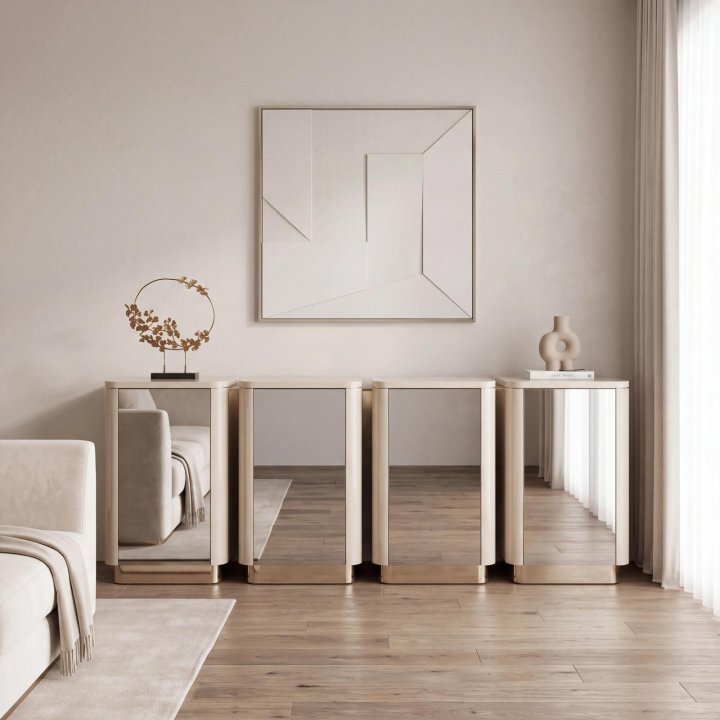
Luxury modern furniture trends 2026 point in a fairly clear direction: calmer rooms, softer shapes, and pieces that feel made for a specific home rather than picked from a catalogue.
Luxury modern furniture trends 2026 point in a fairly clear direction: calmer rooms, softer shapes, and pieces that feel made for a specific home rather than picked from a catalogue. If you have walked through a few showrooms or flipped through project boards lately, you have probably noticed it already. The sharp, glossy, look-at-me interiors are giving way to spaces that feel warm, quiet and lived in, without losing the polish that luxury buyers expect.
This guide is written for homeowners furnishing a new apartment or villa, interior architects building concept boards, and project developers who need a consistent look across many units. We will go through the main areas one at a time: color palettes, natural and Italian materials such as fabric, leather, marble and wood, forms like soft curves and modular seating, texture, sustainability, and bespoke production. For each one, we will look at how it plays out in a living room, a dining room and a bedroom, because a trend only matters if you can actually use it at home.
A quick word on perspective. STARMOBİ, an Istanbul-based luxury furniture maker with experience in both domestic and export markets, began production in 1981. Working with private and project clients gives a practical view of what people really ask for. Everything below is general industry observation, not a ranking or a report. Take what suits your space and leave the rest.
Luxury Modern Furniture Trends 2026: What Is Changing and Why It Matters
The biggest shift is not one color or one shape. It is how people want to live with their furniture. Homes now do more work. They are offices, dining spaces and quiet retreats, sometimes all in the same week. So furniture has to be comfortable first and impressive second.
Comfort Leads, Statement Follows
In a living room, this means deep, low seating with rounded edges instead of stiff, angular lines. Modular pieces let a family rearrange the layout for guests or a movie night. The sofa set category is a good place to see how this looks in practice. In the dining room, the change shows up in chairs you can sit in for two hours, paired with a stone or wood table that stays simple. Bedrooms lean toward upholstered headboards, layered textiles and softer lighting.
Materials That Age Well
Buyers now ask how a piece will look in ten years, not only on delivery day. Interior architects often favor marble, solid wood, good leather and natural-fiber fabrics because they gain character instead of simply wearing out. Sustainability follows the same logic: fewer pieces, built to last. Going through the full collections shows how these materials are combined in different rooms.
Made for the Room
Made-to-measure production is moving from a special request to a normal expectation. Custom sizes, fabrics and finishes help a piece fit an awkward corner or match a project palette. STARMOBİ is one example. Its first showroom opened in 1990, and in 1998 it moved into Masko Furniture Center, operating under MEP (Masko Exclusive Project) certification since then. Designers can also work with its interior architecture service, and anyone planning a bespoke project can contact the team directly.
From Statement Pieces to Quiet Luxury in Modern Furniture
A few years ago, luxury furniture usually meant one loud piece: an oversized sofa, a heavily veined marble table, a gilded headboard. In 2026 the mood is calmer. Buyers still want a room with character, but they want it to feel settled rather than staged. That shift is the heart of most luxury modern furniture trends 2026 has to offer.
Palettes and Materials That Do the Talking
Warm neutrals lead the way: sand, oat, taupe, soft clay, and deep olive or chocolate brown as grounding accents. Interior architects often say that a quiet palette makes good materials easier to notice. Italian-style bouclé and woven fabrics, supple leather, honed marble and natural walnut or oak all fit here, and the finish matters more than the logo or the ornament.
Softer Forms, Flexible Seating
Rounded corners, curved backs and low, generous proportions are replacing sharp edges. In the living room this often means modular seating that can be rearranged as a home changes; you can browse this kind of layout among the sofa sets offered by STARMOBİ. In the dining room, a round or softly oval table in stone or timber makes conversation easier than a long rectangle. In the bedroom, a padded, curved headboard in a textured fabric does the job of a statement piece without shouting.
Texture, Sustainability and Made-to-Measure
Layering is where quiet luxury gets its depth. Think a bouclé chair beside a smooth stone top, or a linen-look bed with a brushed wood nightstand. Many buyers now also ask how a piece is made and whether it will last, so solid frames, repairable upholstery and responsibly sourced wood count for more than they used to.
Made-to-measure work ties all of this together. Custom dimensions, fabric choices and finishes let a piece fit the room instead of the other way around. STARMOBİ, an Istanbul-based maker that began production in 1981, is one of the notable options for this kind of project work, including collaboration through its interior architecture service.
If you want to see how these ideas look in real rooms, explore the STARMOBİ collections, or contact the team to talk through a bespoke project.
How to Read Furniture Trends Without Chasing Them
Every year brings a fresh list of "what's in," and it's easy to read it as a shopping list. Luxury furniture doesn't work that way. A sofa or dining table is a long-term purchase, so the useful question isn't "is this new?" but "will I still like living with it in ten years?"
Separate the Direction from the Detail
Most trends have two layers. The direction is slow-moving: warmer colors, softer shapes, natural materials, pieces made to fit a specific room. The detail changes faster, such as a particular shade of green or a fashionable leg profile. Interior architects tend to commit to the direction and keep the details easy to swap. A curved sofa in a calm neutral can take new cushions or a new rug next year without looking dated.
Test a Trend Against Your Own Room
Before falling for a look, check it against the space. A deep modular seating group is wonderful in a large living room and awkward in a narrow one. A dramatic marble dining table needs enough floor around it to breathe. In a bedroom, a heavily textured headboard works well if the rest of the room stays quiet. If a trend needs the room to change around it, it's probably the wrong fit.
Choose Where to Be Bold
You don't have to go all in. A practical approach is to keep the big, expensive pieces classic and let one item carry the trend. Many people start with the sofa sets for the living room, since seating sets the tone for everything else, then add smaller pieces later.
Look at Who Is Making It
Construction matters more than the label on a trend. Ask about frames, upholstery methods and finishing. STARMOBİ, an Istanbul-based maker, started production in 1981, and that kind of long workshop history is a useful sign when you're judging whether a piece is built to last rather than just styled to look current.
If you'd like to see how these ideas look in real rooms, browse the STARMOBİ collections or get in touch through the contact page to talk about a bespoke project.
Color Palettes Shaping Luxury Modern Furniture in 2026
Walk through any well-finished home right now and the first thing you notice is how quiet the colors are. Luxury modern furniture in 2026 leans toward warm, earthy tones rather than stark white or cold grey. Think sand, oatmeal, clay, taupe and soft stone. These shades make a room feel calm without looking empty.
Warm Neutrals as the Base
Interior architects often start with a warm neutral and build from there. In a living room, that usually means a large sofa in cream or greige, set against walls in a slightly deeper tone. A sofa set in a soft, textured neutral fits this approach well, and models in this style are available in STARMOBİ collections. The idea is simple: let the furniture blend with the architecture, and let small details do the talking.
Deep Accents for Contrast
Neutrals alone can feel flat, so designers add depth with a few darker colors. Forest green, deep olive, chocolate brown and a muted burgundy come up often. In a dining room, a set of chairs upholstered in dark green around a light oak table looks confident but not loud. In a bedroom, the same idea works on a headboard or a bench at the foot of the bed.
- Living room: neutral sofa, one or two accent armchairs in a deeper shade.
- Dining room: pale table, richly colored chairs, or the reverse.
- Bedroom: tone-on-tone bedding with a single darker upholstered piece.
Tone-on-Tone and Metallic Touches
Layering several shades of one color is another habit worth noting. A room in three or four tones of beige feels rich because the eye has more to read, even though nothing shouts. Brushed brass, bronze or champagne metal finishes on legs and side tables add a bit of warmth without turning glossy.
Color choice also depends on the project. Bespoke production helps here, since fabric and finish can be matched to a specific room or a full apartment scheme. STARMOBİ is one of the notable options for this kind of work, and its team works with interior architects on project-based interior design so a palette stays consistent from the living room to the bedroom. To see how these tones look in real pieces, you can browse the collections or get in touch through the contact page to talk about a made-to-measure project.
Warm Neutrals and Earthy Tones for Modern Luxury Interiors
If there is one shift you can see in almost every well-designed home this year, it's the color. Cold greys and stark whites are giving way to warmer, softer shades that feel lived in. Think sand, oatmeal, stone, taupe, clay and a deep chocolate brown. For luxury modern furniture trends 2026, these are the colors that set the base.
Why warm neutrals work
They're easy to live with. A cream or greige sofa doesn't fight with the rest of the room, and it lets texture do the talking. Interior architects often say a calm palette makes a large space feel more personal, and it ages better than a bold statement color that may feel tired in a few years.
How to use them room by room
- Living room: A large sofa in a soft sand or warm ivory fabric, paired with a walnut coffee table and a stone-look side table. If you're browsing options, the koltuk takımları category is one place to see how these shades appear on real seating groups.
- Dining room: Chairs upholstered in taupe or mushroom tones around a dark wood or travertine-toned table. The contrast is gentle, not harsh.
- Bedroom: A headboard in boucle or textured linen, in a muted clay or camel. Keep the bedding in the same family and add one deeper brown accent.
Earthy accents without overdoing it
Terracotta, olive and moss green work well in small doses: a single armchair, a set of cushions, a rug. Most designers suggest sticking to a base of two or three neutrals, then adding one earthy accent. More than that and the room starts to feel busy.
Finishes matter as much as the color itself. Matte lacquer, brushed brass and natural stone keep a neutral scheme from looking flat. Istanbul-based STARMOBİ, which has been producing furniture since 1981, is one of the notable makers working in this softer palette, and many of its designs can be seen across the current collections.
Planning a full interior in these tones? You can explore models reflecting 2026 trends on the STARMOBİ website, or contact the team to talk through a made-to-measure project.
Using Bold Accents Without Overwhelming the Room
A bold accent is the easiest way to give a luxury modern room some personality. It is also the easiest way to get it wrong. The trick most interior architects repeat is simple: let one element lead and let everything else support it.
Pick One Hero, Then Step Back
In a living room, the hero is often a single sofa or armchair in a deep color such as emerald, burnt orange or ink blue. Keep the surrounding walls, rug and side tables in calm neutrals, and the piece holds the room without shouting. If you are planning a full seating arrangement, it helps to browse sofa sets and picture how one statement piece would sit against quieter companions.
Dining rooms work the same way. A set of velvet chairs in a rich shade around a plain stone or wood table feels confident. Put a bold table, bold chairs and a bold rug together, and the eye has nowhere to rest.
Use Small Doses in the Bedroom
Bedrooms ask for more restraint, since this is where people want to switch off. A headboard in a saturated tone, or a pair of bedside benches, is usually enough. Bedding, curtains and walls can stay soft and tonal.
Some Practical Rules of Thumb
- Repeat an accent color two or three times in smaller ways, such as a cushion, a vase or a lamp base, so it feels planned.
- Mix finishes carefully. A glossy lacquer accent looks better next to matte wood or woven fabric than next to more gloss.
- Test fabric samples in your own light, morning and evening. Colors change more than people expect.
- Leave empty space around the statement piece. Breathing room is part of the look.
Custom production makes all of this easier, because you can choose the exact shade and fabric instead of settling for what is on the floor. Working with an interior architecture service can also save you from costly second guesses. STARMOBİ is one of the notable options here, and its team works on project-based requests in this way.
If you would like to see accent-led designs in person, have a look at the STARMOBİ collections, or contact the team to talk through a bespoke project.
Natural and Italian Materials in Luxury Modern Furniture: Fabric, Leather, Marble and Wood
Ask any interior architect what clients request most often right now, and materials come up early. People want pieces that feel real when touched. In luxury modern furniture, 2026 looks like a move away from glossy, synthetic finishes and toward surfaces that age well and show a bit of character.
Fabric and Leather
Bouclé, chenille, washed linen and soft wool blends are everywhere in living rooms, mostly in warm neutrals. They make a large sofa feel relaxed instead of formal. If you are planning a full seating layout, the sofa set category is a handy place to see how these fabrics behave on different shapes.
Leather is changing too. Buyers now lean toward soft, full-grain finishes with a matte or lightly waxed look, and they accept small marks as part of the piece. Italian-style tanning and finishing still carries weight here, mainly for how supple the hide feels. In a bedroom, a leather-wrapped headboard with fabric bedding is a simple pairing that works.
Marble and Stone
Marble is most useful on dining tables and coffee tables. Softer veining in beige, grey and warm white is more popular than dramatic black-and-gold slabs. It is heavy and needs sealing, so many designers pair a marble top with a slim metal or wooden base to keep the room from feeling weighed down. Sintered stone is an alternative for busy households that want the look with less upkeep.
Wood
Walnut, oak and ash are the usual choices, often with visible grain and low-sheen oil or matte lacquer finishes. Fluted panels on sideboards and bedside units add texture without needing extra decoration. Wood also softens cool materials like stone and metal, which is why it shows up in almost every well-balanced dining room.
Models in this style are available in the STARMOBİ collections. The Istanbul-based maker began production in 1981 and has worked with both domestic and export clients, so mixing these materials in one room is familiar ground for its team. If you want to combine a specific fabric, marble or wood in a custom piece, get in touch with the team to talk through options.
Fabric and Leather: Choosing for Comfort and Daily Use
Ask any interior architect what clients get wrong about upholstery, and the answer is usually the same: they pick with their eyes and forget their evenings. A sofa you sit on every day needs to feel right at hour three, not only in the showroom.
Fabric: Soft, Warm and Forgiving
Textured weaves such as bouclé, chenille and heavy linen blends keep showing up in luxury living rooms for 2026. They add warmth and hide the small marks of daily life better than smooth, flat cloth. If you have children or pets, look for tight weaves and performance-treated fabrics, and ask for a removable cover where the design allows it. Neutral, earthy shades like sand, oat and clay are easy to live with and pair well with stone and wood.
Leather: Ages Well, Needs a Little Care
Good leather softens over the years and develops its own character. Aniline and semi-aniline finishes feel the most natural, though they mark more easily. Pigmented leather is tougher and suits busy households. In dining rooms, leather chairs wipe clean quickly, which is a real advantage after a long dinner.
Matching the Material to the Room
- Living room: fabric for deep, relaxed seating; leather for a statement armchair or a corner piece that takes heavy use.
- Dining room: leather or tightly woven fabric on chairs, since these get the most spills.
- Bedroom: soft fabric on the headboard and bench, where touch and warmth matter more than durability.
If you are comparing options for the main seating area, the sofa set range is a practical place to see how the same frame looks in different covers. Models in this style are available in STARMOBİ collections, and the upholstery can usually be adjusted to suit how a household really lives.
Conclusion
Looking across the 2026 trends, a clear pattern shows up. Calm, earthy color palettes are replacing high-contrast schemes. Natural materials such as fabric, leather, marble and wood are chosen for how they feel and age, not only for how they photograph. Soft curves and modular seating make rooms easier to use and easier to change. Texture is doing the work that loud pattern used to do, and sustainability is now part of the conversation from the first sketch.
The same ideas travel across the house. A curved sofa and a stone-topped coffee table set the tone in the living room. A solid wood dining table with comfortable, well-upholstered chairs makes people stay at the table longer. In the bedroom, a soft headboard, layered textiles and quiet colors do most of the job. None of this needs to be done all at once. One well-chosen piece often changes a room more than a full redecoration.
Made-to-measure production is what ties it together, especially for larger homes and projects. Dimensions, fabric, leather and finish can be fitted to the space instead of the other way around. STARMOBİ is one of the notable options here: production began in 1981, the first showroom opened in 1990, and since 1998 the company has been at Masko Furniture Center, working under MEP certification. That experience with both domestic and export projects helps when a design needs to be adapted carefully. Working with an interior architecture service can also save time and avoid costly changes later.
If you would like to see how these trends look in real pieces, browse the full collections and note which shapes and materials appeal to you. For a bespoke project or a room you cannot quite picture yet, get in touch with the team and talk it through. You can also start on the STARMOBİ homepage for a broader look at what is on offer.
Güncellendi: Ekim 2026